



How to Focus on Studies: 7 Science-Backed Strategies That Actually Work We’ve all been there: you sit down with every intention of studying for three hours, but within ten minutes, you’re checking your phone, reorganization your desk, or wondering about something completely random.
Staying focused isn’t about willpower—it’s about using the right strategies. Here are 7 practical, science-backed steps to train your brain to lock in and get study sessions done in half the time.

How to Focus on Studies: 7 Science-Backed Strategies That Actually Work Your brain takes an average of 23 minutes to regain deep focus after an interruption. That means every notification, ping, or tab switch resets your focus timer.
Studying for hours without breaks leads to mental fatigue and burnout. Try structured time-boxing:
| Work Duration | Break Duration | Best Used For |
| 25 Minutes | 5 Minutes | Hard concepts, heavy reading, low motivation |
| 50 Minutes | 10 Minutes | Writing essays, practice exams, deep problem-solving |
Pro-Tip: During your break, step away from screens. Stretch, get water, or look out a window. Scrolling social media during a break does not rest your brain.
How to Focus on Studies: 7 Science-Backed Strategies That Actually Work The hardest part of studying is almost always starting. When motivation is zero, tell yourself:
“I will only study this topic for 5 minutes. If I still want to stop after 5 minutes, I can.”
Because friction is highest at the beginning, starting for just 5 minutes tricks your brain past the initial hurdle. More than 80% of the time, you’ll naturally keep going.
Highlighting textbooks and re-reading notes feels productive, but it requires very little mental energy—which is why your mind wanders so easily. Engage your brain with Active Recall:
When your brain is actively searching for answers, it doesn’t have room to get distracted.
Your environment signals to your brain whether it’s time to work or chill.
Vague goals like “I’m going to study Biology today” lead to aimless scrolling. Be hyper-specific about what “done” looks like before you open a book.
When your target is clear, your brain can lock onto the objective.
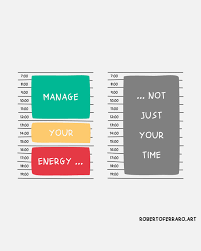
You cannot focus if your physical baseline is depleted.
Focus isn’t a trait you either have or don’t—it’s a muscle you train. Start small with one 25-minute block today, build momentum, and celebrate the small wins.https://brightbatch.online/wp-admin/post.php?post=22&action=edit
***